
Natural, family-safe rat repellents reduce activity when paired with exclusion and sanitation. Concentrated peppermint oil and lavender sachets can deter scent-driven entry if applied in targeted, refreshed placements and kept away from children and pets. Bitter coatings and textured surfaces discourage chewing on vulnerable items. Seal gaps, remove clutter, store food in rodent-proof containers rat pest control, and trim vegetation to eliminate nests. Nonlethal monitoring verifies results. For persistent problems, seek trained professionals; more practical steps and selection tips follow.

Why Rats Invade Homes and What Attracts Them
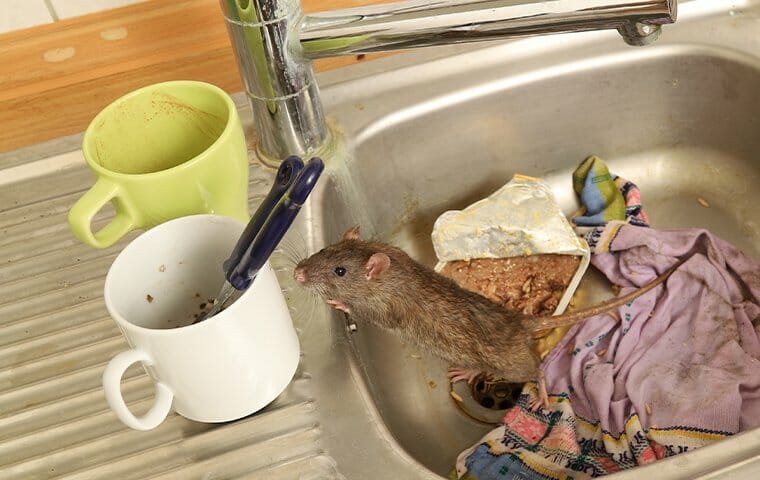
Driven by food, shelter, and safety, rats enter homes when those needs can be met more easily than outdoors. The discussion emphasizes observable attractants: accessible food waste, cluttered storage, structural gaps, and warm nest sites. Empirical studies link urban sanitation lapses and dense vegetation to higher infestation rates, dispelling urban myths that single deterrents alone suffice https://igreenasia.com/. Attention to resource removal and exclusion proves most effective; integrated approaches shorten infestation timelines by interrupting breeding cycles and reducing juvenile survival. Innovation appears in monitoring tech, targeted exclusion materials, and data-driven sanitation schedules. Recommendations prioritize measurable interventions: secure containers, proofing openings, decluttering, and scheduled inspections. The tone remains practical, focused on interventions that are verifiable and scalable.
Scent-Based Natural Repellents That Actually Work
Often overlooked, scent-based natural repellents can reduce rat activity when chosen and applied based on evidence rather than anecdote. Research indicates concentrated peppermint oil disrupts rodent olfaction and can deter entry when used in targeted applications: soaked cotton in sealed containers placed near entry points, refreshed regularly, minimizes scent fade. Complementary trials show dried lavender has modest repellency and can be used in sachets in attics or garages to supplement barrier strategies. Effective implementation prioritizes airflow management, sealing gaps, and strategic placement rather than broadcast spraying. Monitoring with nonlethal traps evaluates efficacy objectively. Safety protocols protect children and pets from concentrated oils. This pragmatic, innovation-minded approach treats scents as one component of an integrated, measurable rat-reduction plan rather than a standalone solution.
Taste and Texture Deterrents Safe for Families and Pets
Frequently, taste- and texture-based deterrents offer a practical complement to scent and exclusion tactics by making food and access points less palatable or comfortable for rats without exposing children or pets to toxicants. Evidence supports targeted, non-toxic interventions such as bitter coatings on vulnerable items and engineered textured surfaces that disrupt gnawing behavior. These methods reduce feeding and manipulation while remaining safe for households with children and animals. Implementation focuses on tested materials, placement, and periodic reapplication where taste fades.
Taste- and texture-based deterrents safely reduce rat feeding and gnawing—use bitter coatings and textured surfaces, reapplying as needed.
- Apply bitter coatings to stored food containers and wiring sheaths.
- Install textured surfaces on entry ledges and climbable posts.
- Select commercially validated, non-toxic formulations only.
- Monitor effectiveness and rotate approaches to prevent habituation.
Habitat Modification: Preventing Rats Through Exclusion and Sanitation
Taste- and texture-based deterrents reduce attraction at contact points, but long-term rat prevention depends on denying access to shelter and food through habitat modification. The piece emphasizes practical measures: Seal gaps in foundations, walls, vents and around utility lines with metal mesh or cement; rats cannot gnaw through these materials. Remove clutter from garages, attics and yards to eliminate nesting sites and visual cover. Store food and pet supplies in sealed, rodent-proof containers elevated off floors. Maintain landscaping by trimming vegetation away from structures and keeping compost bins secure. Regular inspection schedules and simple monitoring (photos, tape marks) provide data to refine interventions. Evidence supports exclusion and sanitation as the most effective non-toxic strategy for sustained rat reduction.
When to Use Professional Help and How to Choose a Safe Exterminator
When should a professional be called: when infestations are extensive, persistent despite exclusion and sanitation efforts, or when structural risks or health concerns are present. Professional intervention is recommended at clear call timing thresholds: heavy activity, recurrent entry points, evidence of contamination, or failed DIY measures. Selection prioritizes exterminator credentials, integrated pest management (IPM) training, and transparent, low-toxicity protocols. Innovators should seek providers who combine monitoring tech, proofed exclusion plans, and humane controls. Verify licenses, insurance, and references; demand written treatment scopes and post-service verification. Maintain records to evaluate outcomes and minimize chemical reliance.
- Confirm exterminator credentials and IPM commitment.
- Require written scope, safety measures, and follow-up.
- Prefer non-chemical or targeted solutions.
- Monitor results with objective metrics.
Conclusion
Rats enter homes seeking food, shelter, and nesting sites; addressing these attractants is fundamental. Evidence supports certain scent-based repellents (peppermint oil, ammonia alternatives) and taste/textural deterrents as temporary measures, but their effects vary. Long-term prevention depends on exclusion, sanitation, and habitat modification. Families and pet owners should prioritize non-toxic options and monitor results. If infestations persist or risks escalate, hiring a licensed pest professional experienced with humane, low-toxicity methods is the prudent choice.