
The Role of Zeta Potential in Pharmaceutical Formulations

Zeta potential quantifies the electrokinetic potential at the slipping plane and operationally reports surface charge of dispersed particles. It governs the balance between electrostatic repulsion and attractive forces, thereby controlling aggregation kinetics, suspension stability Zetasizer, emulsion coalescence, and nanoparticle behavior. Measurements derive from electrophoretic mobility and require controlled pH, ionic strength, and calibration. Formulation strategies—surfactants, polymers, surface modification, and salt control—tune zeta potential for target performance. Further sections outline measurement, modulation, and manufacturing controls.
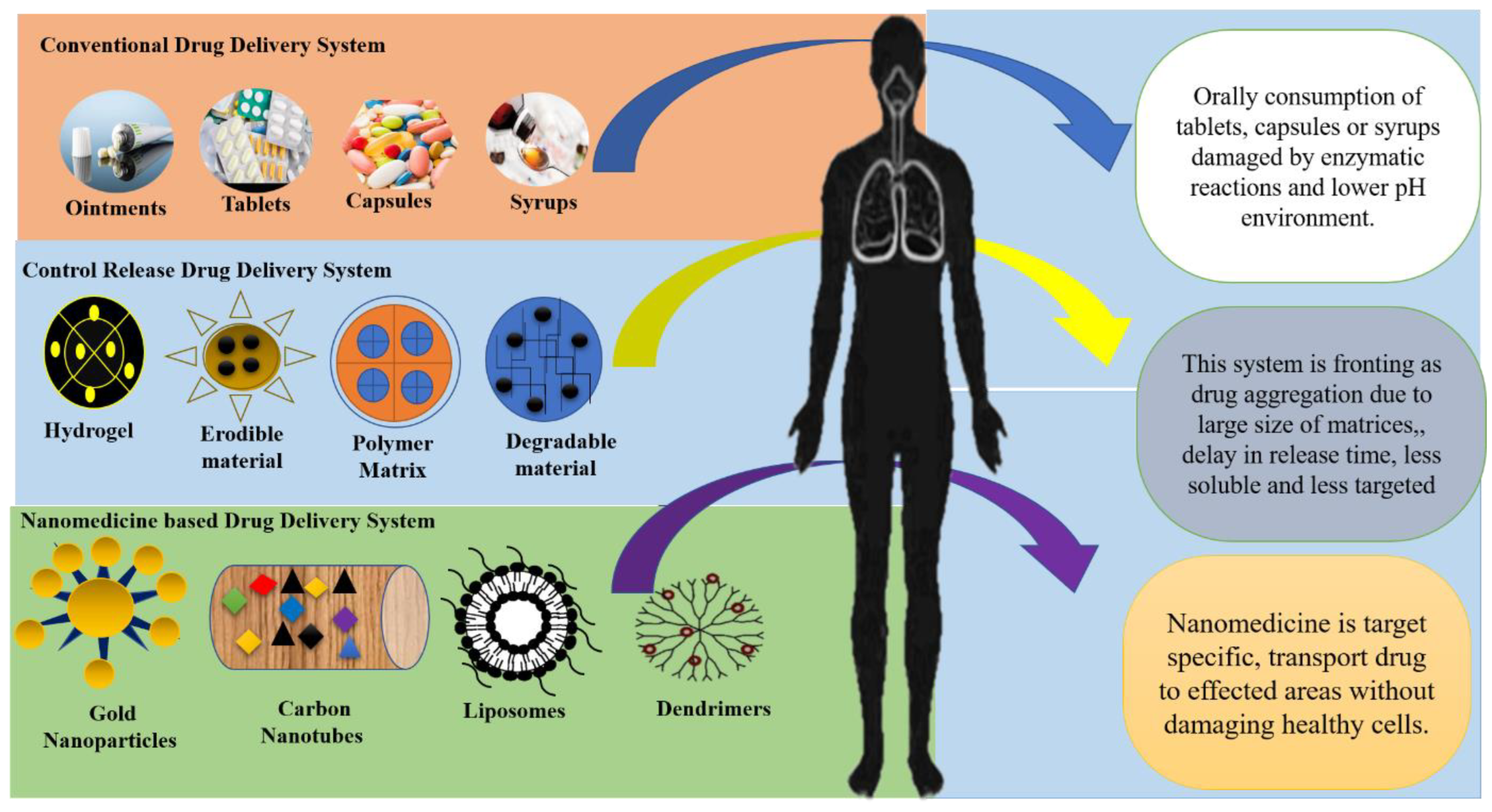
Nanoparticles in Drug Delivery: From History to Therapeutic Applications

What Zeta Potential Is and How It Arises

Zeta potential is the electric potential measured at the slipping plane of a particle suspended in a liquid and quantifies the net electrostatic repulsion or attraction governing particle interactions. It arises from surface charge generation, counterion condensation and the structured electrical double layer; Stern and diffuse layers define potential decay to the slipping plane Lab Alliance. Interface polarization during applied fields alters ion distribution and modifies measurable potential. Colloid electrophoresis provides an operational measurement by relating particle velocity to field strength, enabling calculation of zeta potential via electrokinetic models. Control of surface chemistry and ionic environment governs the magnitude and sign of zeta potential.

Why Zeta Potential Matters for Colloidal Stability

Controls colloidal stability by determining the balance between repulsive and attractive interparticle forces, the zeta potential dictates whether particles remain dispersed or aggregate. It governs electrostatic repulsion magnitude, modulates double-layer compression under ionic strength changes, and thereby influences aggregation kinetics and sedimentation. High-magnitude zeta potentials reduce collision efficiency and prolong storage stability; low magnitudes permit van der Waals-driven coagulation. Surface charge also affects protein adsorption profiles, altering coronas that change effective potential and promote bridging flocculation. Rational formulation targets specific zeta potential windows to minimize aggregation, control protein adsorption, and guarantee predictable shelf behavior under anticipated storage conditions.

Methods for Measuring Zeta Potential in Pharmaceutical Systems

Electrophoretic light scattering is presented as a primary technique for zeta potential determination in pharmaceutical dispersions, measuring particle mobility under an applied electric field. Laser Doppler velocimetry, implemented within many electrophoretic instruments, quantifies the Doppler shift of scattered light to calculate electrophoretic velocity with high temporal resolution. Combined, these approaches provide rapid, quantitative assessment of interfacial charge and are applicable across formulations with appropriate sample preparation and cell selection.

Electrophoretic Light Scattering

Measures of particle mobility under an applied electric field provide the basis for electrophoretic light scattering (ELS), a rapid technique used to infer zeta potential in pharmaceutical dispersions and colloidal systems. ELS quantifies electrokinetic mobility by detecting phase shifts in scattered light from oscillating particles; mobility is converted to zeta potential via established models and solvent properties. Method reproducibility depends on instrument calibration, temperature control, and cell geometry. Sample conductivity, concentration, and pH are controlled to avoid multiple scattering and dielectric heating. Data processing applies baseline subtraction and fitting algorithms to yield objective mobility distributions suitable for formulation decision-making.

Laser Doppler Velocimetry

Laser Doppler velocimetry (LDV) offers an alternative optical approach for quantifying electrophoretic mobility and deriving zeta potential in pharmaceutical dispersions. LDV uses laser Doppler scattering to detect frequency shifts from particles migrating under an applied electric field, enabling direct measurement of velocity and mobility. Precise velocity profiling across confined geometries reduces artifacts from electroosmotic flow and shear. Data processing applies Mie or Rayleigh scattering models to convert Doppler spectra into particle velocity distributions, then into zeta potential via Henry’s equation. Instrument calibration, controlled ionic strength, and temperature regulation guarantee reproducible, accurate zeta potential determinations for formulation development.

Factors That Influence Zeta Potential: Ph, Ionic Strength, and Surface Chemistry

Zeta potential is governed primarily by the pH-dependent ionization of surface moieties, which alters the net surface charge and the position of the slipping plane. Concurrently, increasing ionic strength compresses the electrical double layer and screens surface charge, reducing measured zeta potential magnitude. Specific surface functional groups and their chemical environment determine intrinsic charge density and adsorption of counterions, thereby modulating electrostatic stability in formulations.

Ph-Dependent Surface Charge

In aqueous pharmaceutical systems, surface charge varies predictably with pH due to protonation and deprotonation of ionizable surface groups, altering the electrical double layer and consequently the zeta potential. pH modulates net particle charge, shifting isoelectric points and governing stability windows; targeted adjustment enables controlled electrostatic repulsion or attraction. Buffer interactions can modify apparent titration behavior and must be selected to avoid unintended surface complexation. pH-driven charge changes influence protein adsorption kinetics and orientation, affecting aggregation, activity, and immunogenicity. Precise pH control during formulation and processing is hence essential for predictable zeta potential and reproducible product performance.

Zeta potential - Wikipedia

Ionic Strength Screening

Through modulation of electrolyte concentration, ionic strength alters the thickness of the electrical double layer and thereby screens surface charge, reducing the magnitude of the measured zeta potential as Debye length decreases. Ionic strength governs counterion distribution; increasing it compresses the double layer, shortens the screening length, and lowers electrostatic repulsion. Measured zeta potential becomes a function of ionic composition and concentration rather than intrinsic surface charge alone. Control of ionic strength enables predictable destabilization or stabilization during formulation. Monitor and adjust electrolyte type and concentration to achieve target zeta potential for suspension stability.

Parameter Effect
Ionic strength Compresses double layer
Screening length Decreases with concentration
Electrostatic repulsion Reduced
Formulation control Tunable via electrolyte concentration

Surface Functional Groups

As surface functional groups determine the nature and density of ionizable sites on particles, they directly set the intrinsic surface charge that—and in combination with pH and ionic strength—controls measured zeta potential. Surface chemistry defines which functional groups are presented, their pKa values, and spatial distribution, thereby dictating ionization states under formulation conditions. Controlled modification (e.g., silanization, PEGylation, carboxylation, amination) tailors charge magnitude and sign, alters double‑layer structure, and shifts electrostatic stabilization thresholds. Rational selection and quantification of functional groups enable predictable zeta potential responses, informing dispersion stability, aggregation propensity, and targeted colloidal behavior management.

Strategies to Modify and Control Zeta Potential (Surfactants, Polymers, and Charge Modifiers)

Following a systematic modulation of interfacial chemistry, surfactants, polymers, and charge modifiers provide predictable means to shift and tune zeta potential in pharmaceutical dispersions; surfactants alter surface charge via adsorption and ionic headgroup effects, polymers impart steric and electrostatic stabilization through chain conformation and charge density, and specific counterions or pH-adjusting agents act as charge modifiers to neutralize or invert particle surface potential. Surfactant selection and Polymer adsorption are optimized to achieve target mobility, stability, and interaction profiles. Control strategies balance ionic strength, adsorbed layer thickness, and pKa considerations to achieve reproducible zeta potential signatures.

  1. Ionic surfactant monolayer imagery
  2. Polymer brush conformation imagery
  3. Counterion screening imagery

Case Studies: Zeta Potential Optimization in Suspensions, Emulsions, and Nanocarriers

Building on systematic modulation of interfacial chemistry with surfactants, polymers, and charge modifiers, this section examines concrete examples where targeted zeta potential adjustments produced measurable improvements in stability, bioavailability, or formulation performance across suspensions, emulsions, and nanocarriers. Case studies demonstrate enhanced sedimentation resistance in suspensions via increased absolute zeta potential, reduced coalescence in emulsions through tailored interfacial charge, and improved circulation and cellular uptake for nanocarriers by fine-tuning surface potential. Patient compliance improved where dosing frequency dropped. Cost implications were quantified versus reformulation benefits.

System Zeta strategy Outcome
Suspension High negative charge Reduced settling
Emulsion Charge-balanced surfactant Lower coalescence
Nanocarrier PEGylation + charge tweak Increased uptake

Manufacturing, Scale-Up, and Regulatory Considerations for Zeta Potential Control

In scaling zeta potential control from laboratory to production, process reproducibility, material traceability, and inline characterization become critical constraints that determine product quality and regulatory acceptability. The manufacturer implements process validation to lock critical parameters: pH, ionic strength, surfactant dosing, and shear. Robust sampling and analytics guarantee batch-to-batch equivalence. Operator training focuses on measurement technique, contamination control, and corrective actions. Risk assessments map failure modes to control strategies and documentation. Regulatory dossiers must justify controls with data linking zeta potential to stability and safety. Scale-up requires engineering controls and validated monitoring to sustain specified electrokinetic profiles.

  1. Critical parameter control
  2. Traceability systems
  3. Inline monitoring

Conclusion

Zeta potential serves as a critical physicochemical parameter governing interparticle electrostatic interactions and colloidal stability in pharmaceutical formulations. Precisely measured and controlled through pH adjustment, ionic strength modulation, surface chemistry engineering, and additive selection, it informs suspension, emulsion, and nanocarrier performance throughout development and scale-up. Regulatory expectations demand robust characterization, reproducible control strategies, and clear justification of target zeta ranges to guarantee product quality, safety, and manufacturability across lifecycle stages.

Natural Rat Repellents: Safe Solutions for Families and Pets

Natural, family-safe rat repellents reduce activity when paired with exclusion and sanitation. Concentrated peppermint oil and lavender sachets can deter scent-driven entry if applied in targeted, refreshed placements and kept away from children and pets. Bitter coatings and textured surfaces discourage chewing on vulnerable items. Seal gaps, remove clutter, store food in rodent-proof containers rat pest control, and trim vegetation to eliminate nests. Nonlethal monitoring verifies results. For persistent problems, seek trained professionals; more practical steps and selection tips follow.

Forget old rat traps and try these 6 natural repellents to keep rats out of  your kitchen | - Times of India

Why Rats Invade Homes and What Attracts Them

Driven by food, shelter, and safety, rats enter homes when those needs can be met more easily than outdoors. The discussion emphasizes observable attractants: accessible food waste, cluttered storage, structural gaps, and warm nest sites. Empirical studies link urban sanitation lapses and dense vegetation to higher infestation rates, dispelling urban myths that single deterrents alone suffice https://igreenasia.com/. Attention to resource removal and exclusion proves most effective; integrated approaches shorten infestation timelines by interrupting breeding cycles and reducing juvenile survival. Innovation appears in monitoring tech, targeted exclusion materials, and data-driven sanitation schedules. Recommendations prioritize measurable interventions: secure containers, proofing openings, decluttering, and scheduled inspections. The tone remains practical, focused on interventions that are verifiable and scalable.

Scent-Based Natural Repellents That Actually Work

Often overlooked, scent-based natural repellents can reduce rat activity when chosen and applied based on evidence rather than anecdote. Research indicates concentrated peppermint oil disrupts rodent olfaction and can deter entry when used in targeted applications: soaked cotton in sealed containers placed near entry points, refreshed regularly, minimizes scent fade. Complementary trials show dried lavender has modest repellency and can be used in sachets in attics or garages to supplement barrier strategies. Effective implementation prioritizes airflow management, sealing gaps, and strategic placement rather than broadcast spraying. Monitoring with nonlethal traps evaluates efficacy objectively. Safety protocols protect children and pets from concentrated oils. This pragmatic, innovation-minded approach treats scents as one component of an integrated, measurable rat-reduction plan rather than a standalone solution.

Taste and Texture Deterrents Safe for Families and Pets

Frequently, taste- and texture-based deterrents offer a practical complement to scent and exclusion tactics by making food and access points less palatable or comfortable for rats without exposing children or pets to toxicants. Evidence supports targeted, non-toxic interventions such as bitter coatings on vulnerable items and engineered textured surfaces that disrupt gnawing behavior. These methods reduce feeding and manipulation while remaining safe for households with children and animals. Implementation focuses on tested materials, placement, and periodic reapplication where taste fades.

Taste- and texture-based deterrents safely reduce rat feeding and gnawing—use bitter coatings and textured surfaces, reapplying as needed.

  • Apply bitter coatings to stored food containers and wiring sheaths.
  • Install textured surfaces on entry ledges and climbable posts.
  • Select commercially validated, non-toxic formulations only.
  • Monitor effectiveness and rotate approaches to prevent habituation.

Home Remedies To Keep Rats Away , I Walked Away And He Came High-quality  Back Reddit

Habitat Modification: Preventing Rats Through Exclusion and Sanitation

Taste- and texture-based deterrents reduce attraction at contact points, but long-term rat prevention depends on denying access to shelter and food through habitat modification. The piece emphasizes practical measures: Seal gaps in foundations, walls, vents and around utility lines with metal mesh or cement; rats cannot gnaw through these materials. Remove clutter from garages, attics and yards to eliminate nesting sites and visual cover. Store food and pet supplies in sealed, rodent-proof containers elevated off floors. Maintain landscaping by trimming vegetation away from structures and keeping compost bins secure. Regular inspection schedules and simple monitoring (photos, tape marks) provide data to refine interventions. Evidence supports exclusion and sanitation as the most effective non-toxic strategy for sustained rat reduction.

When to Use Professional Help and How to Choose a Safe Exterminator

When should a professional be called: when infestations are extensive, persistent despite exclusion and sanitation efforts, or when structural risks or health concerns are present. Professional intervention is recommended at clear call timing thresholds: heavy activity, recurrent entry points, evidence of contamination, or failed DIY measures. Selection prioritizes exterminator credentials, integrated pest management (IPM) training, and transparent, low-toxicity protocols. Innovators should seek providers who combine monitoring tech, proofed exclusion plans, and humane controls. Verify licenses, insurance, and references; demand written treatment scopes and post-service verification. Maintain records to evaluate outcomes and minimize chemical reliance.

  • Confirm exterminator credentials and IPM commitment.
  • Require written scope, safety measures, and follow-up.
  • Prefer non-chemical or targeted solutions.
  • Monitor results with objective metrics.

Conclusion

Rats enter homes seeking food, shelter, and nesting sites; addressing these attractants is fundamental. Evidence supports certain scent-based repellents (peppermint oil, ammonia alternatives) and taste/textural deterrents as temporary measures, but their effects vary. Long-term prevention depends on exclusion, sanitation, and habitat modification. Families and pet owners should prioritize non-toxic options and monitor results. If infestations persist or risks escalate, hiring a licensed pest professional experienced with humane, low-toxicity methods is the prudent choice.

Outdoor LED Display Trends: Brightness, Durability, and Smart Control

Outdoor LED displays are shifting toward higher peak luminance and HDR-like pixel tone mapping for outdoor legibility and impact. Systems combine dynamic backlighting, local dimming and ambient sensing to preserve color fidelity and reduce power draw LED panel. Ruggedized alloys, UV-stable coatings, IP/NEMA-rated enclosures and corrosion-resistant hardware extend lifespan and simplify lifecycle costs. Modular cabinets and hot-swappable modules minimize downtime. Networked telemetry, secure OTA updates and AI-driven energy and maintenance controls improve uptime and OPEX — further sections explain practical implementation and metrics.

Why Can Outdoor LED Display Screens Always Maintain An Important Position  In The Advertising Industry? - LED Screen Manufacturer in China- BiBi LED

Enhancing Visibility: High-Brightness and HDR-Like Rendering

While outdoor environments expose displays to direct sunlight, high-brightness and HDR-like rendering technologies enable consistent legibility and improved visual impact by combining peak luminancedynamic backlight control, and expanded pixel-level tone mapping. The segment emphasizes measurable performance: nits LED advertising board, contrast ratio, and local dimming granularity framed against real-world viewing angles. Ambient sensors feed automated brightness scaling to preserve color fidelity while minimizing power draw. Integrated color calibration routines make certain brand-consistent reproduction across installations and over time, reducing field service cycles. Vendors position these systems to attract advertisers and operators seeking visual authority and operational freedom. Procurement criteria prioritize scalable luminance, adaptive control logic, and compatibility with networked content management, enabling owners to deploy high-impact outdoor displays with predictable, efficient outcomes.

Built to Last: Materials, Coatings, and Modular Maintenance

Built from corrosion-resistant alloysimpact-tough polymers, and UV-stable coatings, modern outdoor LED displays are engineered for multi-year exposure to sun, salt, and particulate pollution. Manufacturers specify weatherproof enclosures with defined IP and NEMA ratings, gasketing systems, and drainage paths to prevent ingress and enable predictable maintenance cycles. Surface treatments—anodizing, powder coats, and ceramic clearcoats—extend service life while preserving thermal paths. Structural joints use corrosion resistant fasteners and captive hardware to reduce loosening under vibration and thermal cycling. Modular cabinet architecture prioritizes front access, standardized connectors, and swappable power and pixel modules to minimize downtime and logistic burden. Buyers evaluate total cost of ownership by lifecycle testing, repair time objectives, and replacement-part availability to retain operational freedom and reduce vendor lock-in.

Smarter Screens: Remote Management, AI Controls, and Energy Efficiency

Leveraging networked telemetry and edge compute, outdoor LED displays now integrate remote management platforms, AI-driven content and health controls, and power-optimization strategies to reduce operating expense and improve uptime. Manufacturers and operators deploy remote diagnostics to monitor pixel integrity, thermal profiles, and environmental ingress, enabling secure over-the-air updates and immediate fault isolation. AI models adapt content scheduling to ambient light, audience patterns, and energy tariffs, lowering consumption without compromising impact. Predictive maintenance algorithms analyze vibration, current draw, and component drift to forecast failures and schedule targeted service, minimizing downtime and inventory burden. These capabilities create scalable, vendor-agnostic ecosystems that prioritize operational freedom, transparent SLAs, and measurable total cost of ownership improvements for outdoor digital signage portfolios.

An Article Gives You Tips For Outdoor LED Shopping! - LED Screen  Manufacturer in China- BiBi LED

Frequently Asked Questions

How Do LED Displays Handle Vandalism or Graffiti Protection?

They resist vandalism through anti graffiti coatings and tamper resistant enclosures, combining hardened glass, recessed fixtures, and quick-clean chemistries. Manufacturers market robust serviceability, modular replacement, and remote monitoring to preserve appearance and uptime.

Can Outdoor LEDS Be Recycled at End-Of-Life?

Yes. The industry recycles outdoor LEDs: reclaimable components (metals, PCBs, modules) are separated, enabling eco friendly disposal streams. Technical processes and market services support material recovery, regulatory compliance, and cost‑efficient end‑of‑life options.

What Permits Are Required for Installing Large Outdoor Displays?

Typically, zoning approvals and electrical permits are required for large outdoor displays. Additional permits may include building permits, sign permits, and environmental or historic reviews; the operator should verify local jurisdictional requirements and timelines.

How Do Extreme Cold Temperatures Affect LED Performance?

Extreme cold reduces luminous output and can shift color; low temperature brightness degrades initially but often recovers. Buyers value thermal cycling resilience and ruggedized drivers to guarantee reliable performance, minimizing maintenance and preserving display freedom.

Are There Health Concerns From Prolonged Exposure to Bright Outdoor LEDS?

Prolonged exposure can pose risks: blue light contributes to circadian disruption, increases headache risk, and may, at high intensities or with prolonged glare, elevate retinal damage potential; market solutions emphasize shielding, dimming, and spectral tuning.

Conclusion

Advances in outdoor LED displays are consolidating around three market-driven priorities: amplified luminance with HDR-like rendering to guarantee message clarity in variable ambient conditions; ruggedized materials, protective coatings, and modular designs that reduce lifecycle costs and downtime; and intelligent control layers leveraging remote management, AI optimization, and power-saving strategies to maximize return on investment. Together, these trends enable more effective, reliable, and cost-efficient signage solutions that address evolving regulatory, environmental, and commercial requirements.

How Cosmos Pet Grooming Academy’s Dog Grooming Academy Prepared Me for a Career

Cosmos Pet Grooming Academy delivered a structured, hands-on curriculum that turned initial nerves into measurable competence. Trainees arrived prepared, learned clear safety and demo protocols, and practiced precise canine body-language reading. Instructors taught low-stress handling, timed drills, sanitation routines, and breed-specific clipping with tool-care workflows dog grooming academy. Supervised client sessions built appointment management and communication skills. Business, emergency, and career-prep modules reinforced professional standards and job readiness. Continue to explore the program to see how these elements translate into real-world success.

The Best Classes to Learn Dog Grooming

My First Day and Overcoming Doubt

On the first morning at Cosmos Pet Grooming Academy, the student arrived early, gear in hand and notes organized, ready to translate anticipation into observable progress. The initial hours addressed first day jitters with structured orientation: clear expectations, safety briefings, and demonstration protocols. Tasks were segmented into measurable steps so competence could be tracked Pet Universe Cosmos. Mentor reassurance came through concise feedback loops and practical corrections, never patronizing. The environment emphasized autonomy—students practiced techniques under supervised repetition, then were granted graduated responsibility as proficiency appeared. Progress metrics were recorded and reviewed, allowing learners to plan independent practice without lingering uncertainty. This approach converted doubt into actionable goals, equipping aspirants with the confidence to pursue a mobile, self-directed grooming career.

Learning Canine Behavior and Handling Skills

Learning canine behavior and handling skills requires systematic observation, precise interpretation of signals, and consistent application of low-stress techniques. The academy teaches students to read body language—ear position, tail carriage, micro-shifts—and to respond with calibrated actions that preserve trust. Training modules emphasize positive reinforcement over coercion, pairing rewards with clear cues to shape cooperation. Practical drills cover safe positioning, entry and exit strategies, and controlled touch to desensitize sensitive zones. Instruction includes management of leash manners during clinic flow, reducing tension and reactive responses in waiting areas. Assessment is skills-based: timed handling scenarios, randomized dog temperaments, and instructor feedback. Graduates leave with a reproducible toolkit for risk reduction, client communication, and autonomy in handling diverse canine behaviors.

Mastering Grooming Techniques and Sanitation

The program emphasizes strict tool hygiene, outlining protocols for cleaning, disinfecting, and storing clippers, shears, brushes, and combs to prevent cross-contamination. Instruction also covers breed-specific techniques, with step-by-step guidance on coat type handling, clipper blade selection, and scissoring patterns for common breeds. Together these modules teach technicians to maintain sanitary workstations while executing precise, breed-appropriate grooming.

Proper Tool Hygiene

Consistently maintaining tool hygiene is essential for preventing infections, ensuring grooming efficiency, and extending the lifespan of equipment. The academy emphasizes routine tool sterilization schedules, designated cleaning stations, and clear glove protocols to minimize cross-contamination. Instruments are disassembled, brushed, disinfected with EPA-approved solutions, and dried before reassembly; clippers receive blade oiling and alignment checks. Single-use items are discarded immediately; storage uses labeled, ventilated cases to preserve sterility. Instructors teach documentation of cleaning cycles and rapid response steps for exposure incidents. Trainees learn to integrate hygiene into workflow without sacrificing speed, preserving client trust and professional autonomy. This pragmatic approach equips graduates to run independent, compliant grooming operations with confidence.

Breed-Specific Techniques

Mastering breed-specific techniques requires precise adaptation of cutting, bathing, and handling protocols to each breed’s coat type, skin sensitivity, and conformation. The academy emphasizes assessment first: identifying dense undercoats, silky topcoats, or textured fur common to coated breeds, then selecting shears, clippers, and moisturizers accordingly. Bathing routines vary—clarified shampoos for sensitive skin, conditioning for matted areas—while drying methods preserve natural lay. Handing and restraint prioritize calm autonomy, minimizing stress during long trims. Technical modules cover pattern fidelity, scissor work, and ear shaping to maintain breed standards without compromising health. Sanitation protocols run in parallel: tool sterilization, coat debris removal, and scheduled deep-clean cycles. Graduates leave able to execute efficient, standard-compliant grooming with professional independence.

Dog groomer available new arrivals

Hands-On Practice With Real Clients

Frequently, students move from mannequin work to supervised sessions with real clients to bridge theory and professional practice. The program emphasizes client communication and session scheduling so trainees learn to manage expectations and time while maintaining autonomy. Practical exercises focus on efficient, repeatable workflows and adaptive handling of diverse temperaments. Instructors evaluate technique, timing, and rapport, allowing incremental independence.

  • Conducting intake interviews to confirm breed needs and owner preferences
  • Managing appointment flow and realistic session scheduling under supervision
  • Executing trims, basic styling, and handling with attention to animal comfort
  • Receiving structured critique to refine speed, accuracy, and client rapport

This module builds professional confidence, enabling graduates to operate with competence and freedom in real grooming environments.

Business, Safety, and Professional Standards Training

In addition to technical skills, the program dedicates focused instruction to the business, safety, and professional standards that underpin a successful grooming practice. The curriculum covers client intake policiespricing strategiesrecordkeeping, and clear code-of-conduct expectations so graduates can run independent operations with confidence. Emphasis on staff training teaches delegation, performance feedback, and consistent service delivery to protect reputation and autonomy. Safety modules include zoonotic disease prevention, proper handling techniques, and facility sanitation schedules. Students learn emergency protocols for injuries, allergic reactions, and equipment malfunctions, with drills that build rapid, calm responses. Regulatory compliance, insurance basics, and ethical client communication round out a pragmatic framework that balances entrepreneurial freedom with responsible, professional practice.

Career Support, Networking, and Job Readiness

With business operations and safety protocols firmly established, the program next equips graduates for the professional marketplace through targeted career support and networking opportunities. The academy provides focused resume building and interview prep, emphasizing clear portfolios, service pricing, and confident client communication. Practical workshops simulate salon scenarios; alumni access curated job leads. Networking is structured and efficient, designed for those seeking autonomy and mobility.

  • Scheduled industry events offering direct employer connections and live demonstrations
  • One-on-one coaching for resume building and role-specific interview prep
  • Alumni network platform for referrals, freelance opportunities, and mentorship
  • Employer connections via partnerships with local salons and mobile grooming services

Outcomes prioritize readiness, independence, and measurable job-placement strategies.

Conclusion

Cosmos Pet Grooming Academy’s program systematically transformed uncertainty into competence. Graduates leave with precise canine handling, sanitation, and grooming techniques honed through supervised client work, plus firm grounding in safety, professional standards, and business practices. Practical modules and career support cultivate employability, networking, and confidence for immediate entry into the grooming industry. The academy’s structured, detail-focused curriculum guarantees new groomers are prepared, professional, and ready to run safe, efficient, client-centered services.

From Design to Deployment: How Chiefway Smart Glass Projects Unfold

Chiefway moves projects through a disciplined, end‑to‑end workflow that begins with stakeholder discovery and technical requirements mapping. Site surveys and structural/load analyses verify feasibility and power/network readiness. Conceptual design produces measurable specs and prototypes; full‑scale mockups validate sightlines, thermal and failure modes. Integration planning defines APIs smart glass, security, and building controls. Rigorous lab and field testing confirm performance and compliance. Calibrated deployment includes training, SLAs, and monitoring — continue for a detailed breakdown.

We Can Finally Enjoy Smart Glass At A RAHMAH's Value ! | Buildex.my

Discovery and Client Needs Assessment

In conducting the discovery and client needs assessment, Chiefway Smart Glass employs a structured diagnostic process to map stakeholder objectives, operational constraints, and technical requirements. The team evaluates user expectations and aligns them with business outcomes, prioritizing privacy, control, and unobstructed mobility. Strategic interviews and data review identify use cases, risk tolerances, and integration points without preempting site-specific measurements. Competitive analysis and market trends inform scalability and future-proofing decisions. Deliverables include a concise requirements matrix smart glass windows, success metrics, and optioned solution scopes that empower clients to choose flexible deployment paths while retaining operational autonomy and minimizing vendor lock-in.

Site Survey and Technical Evaluation

A site survey begins with an access and layout assessment to map installation routes, sightlines, and service clearances. Structural suitability checks follow to verify mounting surfaces, load capacities, and any required reinforcement. A power and connectivity audit confirms available circuits, capacity for new loads, and network infrastructure for control and monitoring.

Access and Layout Assessment

With site access, circulation, and structural constraints thoroughly mapped, the Access and Layout Assessment establishes the technical baseline for installation feasibility. The team documents entry control points, delivery routes, staging zones, and clearances to preserve client autonomy and minimize operational disruption. Interior plans are overlaid with furniture layout to define glazing extents, switch locations, and mounting approaches. Cable paths, access panels, and temporary protection are specified to enable unobstructed work and future serviceability. Risk vectors are cataloged and mitigation measures assigned. Outcomes inform schedule, resource allocation, and client-approved access protocols, ensuring pragmatic deployment without compromising site freedom.

6 Key Considerations When Choosing Smart Glass for Your Project - Chiefway  Malaysia

Structural Suitability Check

Following a precise site survey and technical evaluation, the Structural Suitability Check verifies that existing building elements and proposed mounting locations can safely accommodate smart glass loads and associated hardware. The team conducts a focused feasibility analysis, reviewing as-built drawings, material conditions, and anchorage points. A systematic load assessment quantifies dead, live, and wind loads, then compares results to design tolerances and code requirements. Where deficiencies appear, concise retrofit options are proposed with minimal operational impact. Deliverables include a technical suitability report, risk matrix, and clear go/no-go recommendations enabling autonomous client decision-making and streamlined project authorization.

Power and Connectivity Audit

Building on the structural suitability findings, the Power and Connectivity Audit assesses site electrical capacity, cable routing, grounding, and network infrastructure to confirm compatibility with smart glass systems and control devices. The team performs power mapping to locate distribution panels, breakers, and spare capacity, verifying load calculations and surge protection. Cable pathways and conduit integrity are documented for minimal intrusion and future scalability. Grounding is tested to meet safety and EMI requirements. Network topology is evaluated for latency, throughput, and connectivity redundancy to make certain reliable control signals and OTA updates. Recommendations prioritize modularity, serviceability, and user autonomy.

Conceptual Design and System Specification

The conceptual design phase aligns system architecture with defined project goals, ensuring functionality, budget, and schedule targets are met. Site constraints analysis refines layout, mounting, and integration options to mitigate structural, environmental, and regulatory risks. Technical performance targets—optical transmission, switching speed, power consumption, and control interfaces—are specified to quantify acceptance criteria and guide component selection.

Project Goals Alignment

With respect to project goals alignment, the conceptual design and system specification phases must directly trace all high-level objectives to measurable technical requirements, guaranteeing each design decision maps to stakeholder needs, regulatory constraints, performance targets, and operational limits. The team defines verification criteria, quantifies success metrics, and integrates stakeholder buy in through transparent requirements matrices and ROI forecasting models. Requirements are prioritized by risk, value, and freedom-preserving user preferences. Traceability matrices link goals to subsystems, test cases, and acceptance gates. Change-control guarantees deviations require revalidated impact and updated ROI projections before design baselines proceed to procurement.

Site Constraints Analysis

Across proposed sites, constraint analysis identifies physical, environmental, regulatory, and operational limits that directly shape conceptual design and system specification. The assessment catalogs structural glazing dimensions, sightlines, ingress/egress, and mounting tolerances while noting ambient lighting patterns that affect visual comfort and shift strategies. It records HVAC interactions, power availability, and cabling routes to preserve user autonomy. Acoustic interference zones are mapped to inform sensor placement and control algorithms without prescribing performance targets. Permit regimes, fire egress codes, and maintenance access dictate material choices and serviceability. Outputs produce concise constraints matrices that guide adaptable, freedom-oriented smart glass concepts.

Technical Performance Targets

In defining technical performance targets, the specification prioritizes measurable criteria that translate site constraints into actionable system requirements. Targets specify luminous transmittance, haze, reflectance limits, switching speed, and durability metrics tied to climatic exposure. Optical clarity thresholds guarantee transmitted imagery and signage remain legible under varied angles and lighting. User ergonomics parameters restrict weight, control latency, and required interaction force to preserve freedom of movement and intuitive use. Power budgets, fail-safe states, and maintenance intervals are quantified. Test protocols, acceptance criteria, and traceable verification steps complete the specification, enabling disciplined procurement and predictable field performance.

Prototyping and Mock‑up Testing

Although initial designs establish functionality, prototyping and mock-up testing translate specifications into verifiable assemblies that expose integration risks, user interaction issues, and manufacturing constraints. The team fabricates full-scale mock-ups to validate user experience, sightlines, control ergonomics, and material durability under real conditions. Instrumentation captures thermal, optical, and actuation metrics; failure modes are cataloged and prioritized. Rapid iterative cycles refine tolerances, sealing strategies, and mounting interfaces while preserving installation flexibility. Results feed actionable manufacturing drawings and quality checkpoints. Decisions balance performance, cost, and end-user autonomy, ensuring prototypes evolve into repeatable production units without presupposing building-wide system integration.

Integration With Building Systems

When connected to a building’s electrical, control, and IT infrastructures, smart glass systems must present defined interfaces, predictable behaviors, and verifiable fail‑safe modes. Integration planning aligns smart glass with building automation protocols, power management, and network topology to guarantee deterministic responses and minimal latency. Clear API specifications enable autonomy for operators while preserving freedom to modify controls. Security integration mandates role‑based access, encrypted telemetry, and logging compatible with existing SIEM tools. Physical and logical boundaries are mapped to facility zones to support emergency overrides. Deployment documentation specifies interface pinouts, command sets, and rollback procedures for operational sovereignty.

Testing, Quality Assurance, and Compliance

How should Chiefway Smart Glass be validated to meet operational, safety, and regulatory demands? A disciplined testing, quality assurance, and compliance protocol guarantees performance, resilience, and lawful deployment.

  1. Laboratory verification: functional tests, stress cycles, environmental testing, and failure-mode analysis to quantify durability and freedom from unexpected behaviors.
  2. Systems integration checks: interoperability with HVAC, lighting, and access control; latency, fail-safe, and rollback scenarios verified under load.
  3. Compliance and audit: regulatory auditing, documentation, traceability of components, and certification readiness; risk assessments and corrective action plans maintained for transparent governance.

Results guide go/no‑go decisions and mitigation without compromising autonomy.

Deployment, Training, and Post‑Installation Support

Because seamless handover determines long‑term success, deployment, training, and post‑installation support for Chiefway Smart Glass follow a staged, measurable approach that minimizes operational disruption and preserves system integrity. Install teams execute calibrated rollouts with verification checkpoints, balancing speed and fail‑safe controls. User training is modular, role‑based, and delivered on‑site or remotely with measurable competency checks. Monitoring tools report performance and flag deviations for rapid remediation. Service level agreements specify escalation paths, spare parts logistics, and warranty management tied to clear metrics. Continuous improvement cycles capture feedback, enabling iterative firmware updates and operational autonomy for liberated facility teams.

Conclusion

Concluding the Chiefway smart glass workflow, projects progress through systematic phases—client discovery, technical survey, design specification, prototyping, systems integration, rigorous testing, and staged deployment with training and support. Each step enforces performance criteria, compliance, and interoperability, minimizing risk and ensuring operational reliability. The disciplined, technical approach aligns solution capabilities with stakeholder objectives, optimizes installation logistics, and establishes maintenance pathways that sustain long‑term functionality and measurable ROI.

How to Prepare Your Pet Emotionally for a Stay at a Pet Hotel

Pet owners can help their furry companions adjust to a stay at a pet hotel by following simple steps. Establishing a familiar routine, packing comfort items pet hotel, and familiarizing pets with staff are key.

Positive departure practices and maintaining a calm, reassuring demeanor will ease their transition. By taking these steps, owners can ensure their pets feel safe and comfortable during their time away from home.

How to Get Your Pet Ready for Their Visit to a Pet Hotel: A Stress-Free  Guide - Dog Resort

Establish a Familiar Routine

When preparing a pet emotionally for a stay at a pet hotel, it’s crucial to maintain their familiar routine. Pets thrive on consistency, and sticking to their usual schedule can help alleviate any stress or anxiety they may feel in a new environment.

Keeping feeding times, exercise routines, and playtime consistent can provide a sense of security for the pet, reassuring them that despite the change in surroundings, some things remain constant. Additionally, incorporating familiar toys, bedding, or blankets from home can further comfort the pet and make them feel more at ease in their temporary accommodation.

Pack Comfort Items

Pets should pack comfort items that remind them of home to help ease their transition to a pet hotel. Familiar toys, blankets, or even a piece of clothing with the owner’s scent can provide reassurance in a new environment. These items offer a sense of security and comfort, reducing feelings of anxiety or loneliness.

Including a favorite bed or pillow can also help pets feel more at ease during their stay. By surrounding them with familiar scents and objects, pet owners can help their furry companions adjust better to their temporary home.

Familiarize With Staff

Familiarizing with the staff at the pet hotel can help your pet feel more comfortable and secure during their stay. By introducing your pet to the individuals who’ll be caring for them, you can establish a sense of trust and familiarity.

Encourage the staff to interact with your pet, offering treats or engaging in play to build a positive association. This interaction can ease your pet’s anxiety and help them settle in more quickly.

Additionally, getting to know the staff can provide you with peace of mind, knowing that your pet is in good hands. Prioritize communication with the staff about your pet’s preferences and routines to ensure a smooth and stress-free experience for your furry friend.

Dog-Proofing Your Apartment & Other Tips for Renting with Dogs |  ApartmentAdvisor

Positive Departure Practice

Regularly reassure your pet before leaving for the pet hotel to help them feel more at ease during your absence. Spend quality time with them, offer soothing words, and maintain a calm demeanor to communicate that everything will be alright.

Avoid making a big fuss over your departure as this may cause unnecessary stress for your furry friend. Instead, create a positive departure routine by giving them a treat or a special toy before you leave. By establishing a consistent and reassuring goodbye ritual, you can help your pet associate your departure with positive experiences.

Stay Calm and Reassuring

During your pet’s stay at a pet hotel, it’s crucial to remain calm and reassuring to alleviate any anxiety they may experience. Pets can pick up on their owner’s emotions, so it’s essential to stay composed and positive during drop-off.

When saying goodbye, keep your tone upbeat and reassuring, avoiding long, drawn-out farewells that may cause unnecessary stress. Remember to trust the staff at the pet hotel and convey confidence in their ability to care for your furry friend.

Conclusion

Preparing your pet emotionally for a stay at a pet hotel is vital to ensure they’ve a positive experience. By establishing a familiar routine, packing comfort items, familiarizing them with staff, practicing positive departures, and staying calm and reassuring, you can help ease any anxiety or stress they may feel.

Remember to communicate openly with the pet hotel staff and provide them with all necessary information to ensure a smooth and comfortable stay for your beloved furry friend.

Common Myths About Veterinary Hospitals—Debunked

In the realm of veterinary care, misinformation and misconceptions abound, often leading to unnecessary doubt and confusion among pet owners seeking the best for their beloved animals Starlight. This article aims to dispel prevalent myths surrounding veterinary hospitals, shedding light on the truth behind notions like profit-driven motives, uniformity among practices, and the efficacy of holistic treatments.

By debunking these common fallacies, pet owners can make informed decisions based on facts rather than fiction, empowering them to provide optimal care for their furry companions.

The Truth Behind 25 Common Pet Myths Debunked — Arya Animal Acupuncture -  Specialty Integrative Veterinary Medicine

Misconception: Vets Are Only After Money

In the veterinary field, the misconception of vets solely prioritizing financial gain is misleading and inaccurate. Veterinarians are dedicated professionals committed to the well-being and health of animals. Their primary focus is providing quality care and treatment for their animal patients pet hospital, ensuring they lead healthy and happy lives.

Vets undergo extensive education and training to acquire the necessary skills to diagnose and treat various medical conditions in animals. While veterinary services come at a cost due to the equipment, medications, and expertise required, most veterinarians prioritize the welfare of the animals above financial gain. As advocates for animal health, vets strive to offer the best possible care and treatment options while considering the financial constraints of pet owners.

Myth: All Pet Hospitals Are the Same

Contrary to popular belief, not all pet hospitals are identical in terms of the quality of care and services they provide. Just like human healthcare facilities, veterinary hospitals can differ significantly in their standards, expertise, equipment, and overall approach to animal care.

Some hospitals may excel in certain areas such as emergency medicine or specialized surgeries, while others might focus more on preventive care and wellness programs. It’s essential for pet owners to research and visit different hospitals to find the one that best fits their furry companion’s needs.

Factors such as the qualifications of the staff, cleanliness of the facility, range of services offered, and the hospital’s reputation within the community can all vary widely between different pet hospitals.

False Belief: Vaccines Are Unnecessary

Some pet owners mistakenly believe that vaccines are unnecessary for their pets, overlooking the critical role vaccinations play in safeguarding animal health. Vaccinations are not only essential for protecting individual pets from serious and potentially deadly diseases but also for ensuring the overall well-being of the animal population.

By vaccinating pets, we not only shield them from harmful illnesses but also contribute to the concept of herd immunity, which is crucial for preventing the spread of contagious diseases. Neglecting vaccinations not only puts the unvaccinated pets at risk but also compromises the health of other animals they come into contact with.

Therefore, it is vital for pet owners to understand the importance of vaccines in maintaining the health and safety of their beloved companions.

Pet Vaccine Myths, Debunked | Zoetis Petcare

Fiction: Vets Prioritize Profit Over Pet Health

Continuing from the previous subtopic’s emphasis on pet health, it is crucial to dispel the misconception that veterinarians prioritize profit over the well-being of animals under their care.

While veterinary clinics are businesses that need to generate revenue to sustain operations, the primary focus of veterinarians is always the health and welfare of the animals they treat. Veterinarians undergo years of rigorous training to ensure they can provide the best possible care for pets.

They are bound by professional ethics and a genuine love for animals, driving them to prioritize the well-being of their patients above all else. Any financial aspects involved are necessary to maintain high standards of care and ensure that veterinary services remain available and accessible for all pet owners.

Untruth: Holistic Treatments Are Ineffective

Holistic treatments have been unjustly dismissed as ineffective in veterinary medicine. Contrary to this belief, many holistic approaches have shown positive results in treating various health conditions in animals. Techniques such as acupuncture, herbal medicine, and chiropractic care can complement traditional veterinary treatments, leading to improved overall health and well-being for pets.

Some pet owners prefer holistic therapies due to their focus on natural remedies and the potential for fewer side effects compared to conventional medications. While holistic treatments may not be a one-size-fits-all solution, they can be a valuable addition to a comprehensive veterinary care plan. It is essential for pet owners to work closely with their veterinarians to explore all available treatment options and make informed decisions based on what is best for their furry companions.

Conclusion

In conclusion, it is important to debunk common myths about veterinary hospitals in order to ensure the best care for pets.

By understanding the true motivations of veterinarians, the importance of vaccines, and the effectiveness of holistic treatments, pet owners can make informed decisions about their pet’s health.

Veterinary hospitals play a crucial role in ensuring the well-being of animals, and it is essential to trust in their expertise and dedication to providing quality care.

Pet Food Online

In an increasingly digital age, the convenience and variety offered by online pet food shopping has revolutionized the way pet owners provide for their furry companions.

With a vast selection of brands, customizable dietary options cat food malaysia, time-saving delivery services, and cost-effective purchasing, the online pet food market caters to the needs of pet owners seeking efficiency and choice.

Embrace the freedom to meet your pet’s nutritional needs effortlessly, all at the click of a button.

Petsome Group – Satisfy our customers with affordable top-of-the-line pet  food brands

Convenience of Online Pet Food Shopping

Online pet food shopping offers pet owners a convenient way to purchase essential supplies for their furry companions from the comfort of their homes. With just a few clicks https://nourish.petuniverse.com/, pet owners can browse through a wide variety of brands, flavors, and types of pet food without having to leave the house. This convenience is especially valuable for busy individuals who may not have the time to visit a physical store or for those with limited mobility.

Furthermore, online pet food shopping provides the freedom to compare prices, read reviews, and make informed decisions without feeling rushed or pressured by sales staff. This level of autonomy empowers pet owners to choose the best food options for their pets based on their specific needs and preferences.

The convenience of having pet food delivered directly to the doorstep eliminates the need to carry heavy bags through the store, into the car, and then into the house. This seamless shopping experience saves time and effort, allowing pet owners to focus more on enjoying quality time with their beloved pets.

Wide Selection of Pet Food Brands

With the convenience of online shopping, pet owners have access to a wide selection of pet food brands. This vast array of options allows pet owners the freedom to choose the best food for their furry companions based on their specific dietary needs, preferences, and budget. Whether your pet requires grain-free, organic, specialized veterinary diets, or simply enjoys a particular flavor, the online pet food market offers a diverse range of brands to cater to every pet’s unique requirements.

From well-known mainstream brands to niche and specialized ones, the online platform provides a platform for pet owners to explore and compare different products conveniently. This variety empowers pet owners to make informed decisions about their pet’s nutrition, ensuring that they can select the most suitable food that aligns with their pet’s health and wellness goals.

Furthermore, the wide selection of pet food brands available online often includes exclusive lines, limited editions, and new product launches, allowing pet owners to stay updated on the latest trends and innovations in the pet food industry. By offering this extensive range of choices, online pet food shopping ensures that every pet receives the nutrition it deserves.

Customizable Dietary Options Available

A variety of customizable dietary options are available for pets when shopping for pet food online. Pet owners seeking to cater to their pet’s specific needs can find a plethora of options to choose from. Whether your pet requires a grain-free diet, has food sensitivities, or needs a specialized weight management plan, online pet food retailers offer a range of customizable solutions.

These customizable dietary options extend beyond just the type of food, including flavors, ingredients, and textures tailored to suit your pet’s preferences. Some online platforms even provide personalized meal plans based on your pet’s age, breed, and health requirements. This level of customization ensures that your furry companion receives a balanced and nutritious diet that meets their individual needs.

Business Model: Online Meal Delivery Subscription for Pets

Time-Saving Delivery Services

Time-saving delivery services for pet food cater to the convenience and efficiency sought by pet owners looking to ensure timely supply of their customized dietary options. These services offer a hassle-free solution for busy individuals who prioritize their pet’s nutrition but may struggle to find the time to purchase food regularly. By subscribing to a pet food delivery service, customers can enjoy the freedom from frequent trips to the store, ensuring that their furry companions never run out of their favorite meals.

Moreover, time-saving delivery services often provide customizable delivery schedules, allowing pet owners to select the frequency of deliveries that best suits their needs. This flexibility enables individuals to manage their time more effectively, eliminating the need to constantly monitor their pet food supply. Additionally, some delivery services offer automatic shipments based on the customer’s preferences, further streamlining the process and ensuring a seamless experience from order to delivery. Ultimately, these services not only save time but also contribute to the overall well-being and happiness of both pets and their owners.

Cost-Effective Pet Food Purchasing

Opting for online platforms to purchase pet food can be a cost-effective choice for pet owners seeking budget-friendly options. Online retailers often offer a wide range of products at competitive prices, allowing pet owners to compare prices and find the best deals without the need to visit multiple physical stores. Additionally, many online stores provide discounts, promotions, and loyalty programs that can further reduce the overall cost of purchasing pet food. By taking advantage of these offers, pet owners can save money while still providing their pets with high-quality nutrition.

Moreover, online platforms frequently offer bulk purchasing options, enabling pet owners to buy larger quantities of pet food at discounted rates. This not only cuts down on the cost per unit but also reduces the frequency of shopping trips, saving time and money on transportation. Overall, the convenience and cost-effectiveness of purchasing pet food online make it an attractive option for pet owners looking to provide the best care for their furry companions while keeping within budget constraints.

Conclusion

In conclusion, online pet food shopping offers convenience, a wide selection of brands, customizable dietary options, time-saving delivery services, and cost-effective purchasing.

It provides pet owners with the ease of ordering their pet’s food from the comfort of their own home, saving time and money.

The variety of options available online allows for tailored nutrition for pets with specific dietary needs.

Overall, online pet food shopping is a practical and efficient way to ensure pets are well-fed and healthy.

Construction Challenges and Opportunities in Developing Nations

The construction industry in developing nations faces a myriad of challenges. These challenges range from infrastructure limitations to skilled labor shortages universal tensile testing machine. However, amidst these obstacles lie opportunities for sustainable development and growth.

This article delves into the complexities of navigating regulatory hurdles, overcoming resource scarcity, and leveraging available opportunities in the construction sector of developing nations. Join us as we explore the landscape of construction challenges and the potential for positive change in these dynamic environments.

What is Contract Management in Construction?

Infrastructure Limitations

Facing significant infrastructure limitations, developing nations encounter numerous obstacles in the construction industry. The lack of proper roads, bridges, and utilities hinders construction projects universal materials testing machine, leading to delays and increased costs.

Inadequate transportation networks make it challenging to transport materials and equipment to construction sites efficiently. Additionally, limited access to reliable power sources can impede construction progress, affecting productivity and timelines.

These infrastructure deficiencies not only affect the construction sector but also have broader implications for economic development and quality of life in these nations. Addressing these limitations through strategic investments in infrastructure development is crucial to unlocking the full potential of the construction industry and fostering overall growth and prosperity in developing nations.

Regulatory Hurdles

Navigating through regulatory hurdles within developing nations can present substantial challenges for construction projects. In many of these countries, regulatory frameworks are often complex, inconsistent, and subject to frequent changes, creating uncertainty for developers and investors.

Obtaining permits and approvals can be a lengthy and bureaucratic process, leading to delays and increased project costs. Additionally, corruption and lack of transparency in regulatory bodies can further impede progress.

To address these issues, stakeholders must advocate for regulatory reforms that promote efficiency, transparency, and accountability. Streamlining approval processes, implementing clear guidelines, and enhancing oversight mechanisms can help facilitate smoother project implementation and encourage investment in construction projects.

Resource Scarcity

The resource scarcity in developing nations poses a significant challenge to construction projects, requiring innovative solutions and careful resource management strategies. Limited access to materials such as cement, steel, and skilled labor can hinder progress and drive up costs.

To address this, construction firms are turning to alternative materials like bamboo, recycled plastics, or earth-based products. Embracing prefabrication and modular construction techniques can also help optimize resource utilization.

Moreover, partnerships with local communities for sourcing materials sustainably and training local workers can enhance resource availability in the long term. By fostering collaboration, adopting sustainable practices, and embracing creativity, the construction industry in developing nations can navigate resource scarcity and thrive amidst challenges.

Construction Contract Management: The Complete Guide

Skilled Labor Shortage

Addressing the shortage of skilled labor in developing nations presents a critical obstacle for construction projects, necessitating strategic solutions and targeted workforce development initiatives. The lack of trained professionals in key construction trades such as carpentry, plumbing, and electrical work hampers the timely and quality completion of infrastructure projects. This scarcity often leads to delays, cost overruns, and compromised safety standards.

To combat this challenge, investing in vocational training programs, apprenticeships, and technical education is crucial. Encouraging young individuals to pursue careers in the construction industry through incentives and educational support can help bridge the gap in skilled labor. Additionally, fostering partnerships between governments, educational institutions, and private sector stakeholders can create sustainable solutions for building a skilled workforce in developing nations.

Sustainable Development Opportunities

Fostering sustainable development through efficient resource utilization is imperative for advancing construction practices in developing nations. By embracing eco-friendly materials, implementing green building techniques, and adopting renewable energy sources, developing nations can reduce their environmental impact while promoting long-term economic growth.

Investing in sustainable infrastructure not only enhances resilience to climate change but also creates job opportunities and improves the overall quality of life for communities. Collaborating with local stakeholders, governments, and international organizations can facilitate the exchange of knowledge and best practices in sustainable construction.

Emphasizing sustainable development not only addresses current environmental challenges but also paves the way for a more prosperous and resilient future for developing nations.

Conclusion

In conclusion, developing nations face numerous challenges in the construction industry. These challenges include infrastructure limitations, regulatory hurdles, resource scarcity, and skilled labor shortage. However, these challenges also present opportunities for sustainable development.

By addressing these obstacles through strategic planning, investment in technology, and capacity building, developing nations can overcome these hurdles. In doing so, they can achieve long-term growth and prosperity in their construction sector.

The Artistic Beauty of Chinese Calligraphy and Writing

Explore the enduring elegance and profound cultural significance of Chinese calligraphy and writing in this enlightening article.

Delve into the rich history, intricate techniques chinese tuition, and symbolic depth of Chinese characters, and discover their influence on contemporary art forms.

Gain a deeper appreciation for the artistic mastery and timeless beauty of Chinese calligraphy as we unravel its artistic allure and enduring relevance in the modern world.

The art of Chinese calligraphy | Meer

History of Chinese Calligraphy

The origins of Chinese calligraphy can be traced back to ancient times, revealing a rich history marked by various styles and influences. Dating back to the Shang dynasty around 1200 BCE, Chinese calligraphy has evolved over millennia, reflecting the cultural, social yanzi mandarin, and political changes of each era.

From the seal script of the Qin dynasty to the standard script of the Han dynasty, calligraphy in China has been a powerful medium for artistic expression, communication, and preservation of knowledge. Each stroke, line, and character in Chinese calligraphy holds deep meaning and symbolism, embodying the essence of freedom in artistic form.

Through the centuries, Chinese calligraphy has maintained its significance, embodying the enduring spirit of a civilization rooted in creativity and self-expression.

Techniques and Tools Used

Originating from ancient times and evolving through various dynasties, Chinese calligraphy employs intricate techniques and specialized tools for creating its exquisite artistic expressions. One of the key techniques used in Chinese calligraphy is the careful control of brush strokes to convey meaning and emotion.

Artists vary the pressure, speed, and angle of their brush to achieve different effects, such as thick, bold lines or delicate, flowing curves. Additionally, the choice of ink, paper, and brush plays a crucial role in the final outcome of a calligraphic piece.

Traditional Chinese calligraphy brushes are typically made from animal hair, such as wolf, rabbit, or goat, and come in various sizes to accommodate different styles of writing. The combination of these techniques and tools results in the unique and captivating beauty of Chinese calligraphy.

Symbolism in Chinese Characters

How do Chinese characters embody deep cultural symbolism beyond their literal meanings?

Chinese characters are not merely symbols for sounds or concepts; they carry profound cultural significance. Each stroke and component within a character can represent historical events, values, or philosophical ideas.

For example, the character for ‘home’ (家 – jiā) combines the roof radical with the character for ‘pig’ (豕 – shǐ), symbolizing a place where a pig is kept safe under a roof, emphasizing the importance of family and shelter. Understanding these hidden meanings adds layers of richness to the language and provides insight into Chinese culture and history.

Chinese Calligraphy Explained in 5 Minutes - YouTube

Influence on Modern Art

Chinese calligraphy and writing have had a profound influence on modern art through their intricate brushwork and symbolic representations. The fluid and expressive brushstrokes of Chinese calligraphy have inspired contemporary artists to explore new forms of abstract expressionism.

The emphasis on the harmony between empty space and inked characters in traditional Chinese writing has influenced minimalist art movements, encouraging artists to experiment with negative space and simplicity.

Additionally, the deep-rooted symbolism embedded within Chinese characters has inspired modern artists to imbue their work with layers of meaning and cultural significance.

This cross-cultural exchange has enriched the art world, fostering a sense of interconnectedness and creativity that transcends geographical boundaries.

The legacy of Chinese calligraphy continues to shape and inspire the evolution of modern art, reflecting a shared appreciation for artistic freedom and innovation.

Appreciating Chinese Calligraphy Today

Today, the art world continues to show a deep appreciation for the intricate beauty and cultural significance of Chinese calligraphy. With a history spanning thousands of years, Chinese calligraphy remains a revered art form that captivates contemporary artists and audiences alike.

In today’s society, Chinese calligraphy is not only appreciated for its aesthetic appeal but also for its ability to convey profound meanings and emotions through brush strokes. Artists around the world are inspired by the fluidity and expressiveness of Chinese calligraphy, incorporating its essence into modern art forms.

Exhibitions, workshops, and online platforms further contribute to the ongoing appreciation and preservation of this ancient art form, ensuring that Chinese calligraphy continues to thrive in the present day.

Conclusion

In conclusion, Chinese calligraphy is a revered art form with a rich history, intricate techniques, and deep symbolism. Its influence on modern art can be seen in various forms of expression.

Appreciating Chinese calligraphy today allows us to connect with the artistic beauty of the written word and understand the cultural significance it holds.