
In the realm of veterinary care, misinformation and misconceptions abound, often leading to unnecessary doubt and confusion among pet owners seeking the best for their beloved animals Starlight. This article aims to dispel prevalent myths surrounding veterinary hospitals, shedding light on the truth behind notions like profit-driven motives, uniformity among practices, and the efficacy of holistic treatments.
By debunking these common fallacies, pet owners can make informed decisions based on facts rather than fiction, empowering them to provide optimal care for their furry companions.

Misconception: Vets Are Only After Money
In the veterinary field, the misconception of vets solely prioritizing financial gain is misleading and inaccurate. Veterinarians are dedicated professionals committed to the well-being and health of animals. Their primary focus is providing quality care and treatment for their animal patients pet hospital, ensuring they lead healthy and happy lives.
Vets undergo extensive education and training to acquire the necessary skills to diagnose and treat various medical conditions in animals. While veterinary services come at a cost due to the equipment, medications, and expertise required, most veterinarians prioritize the welfare of the animals above financial gain. As advocates for animal health, vets strive to offer the best possible care and treatment options while considering the financial constraints of pet owners.
Myth: All Pet Hospitals Are the Same
Contrary to popular belief, not all pet hospitals are identical in terms of the quality of care and services they provide. Just like human healthcare facilities, veterinary hospitals can differ significantly in their standards, expertise, equipment, and overall approach to animal care.
Some hospitals may excel in certain areas such as emergency medicine or specialized surgeries, while others might focus more on preventive care and wellness programs. It’s essential for pet owners to research and visit different hospitals to find the one that best fits their furry companion’s needs.
Factors such as the qualifications of the staff, cleanliness of the facility, range of services offered, and the hospital’s reputation within the community can all vary widely between different pet hospitals.
False Belief: Vaccines Are Unnecessary
Some pet owners mistakenly believe that vaccines are unnecessary for their pets, overlooking the critical role vaccinations play in safeguarding animal health. Vaccinations are not only essential for protecting individual pets from serious and potentially deadly diseases but also for ensuring the overall well-being of the animal population.
By vaccinating pets, we not only shield them from harmful illnesses but also contribute to the concept of herd immunity, which is crucial for preventing the spread of contagious diseases. Neglecting vaccinations not only puts the unvaccinated pets at risk but also compromises the health of other animals they come into contact with.
Therefore, it is vital for pet owners to understand the importance of vaccines in maintaining the health and safety of their beloved companions.
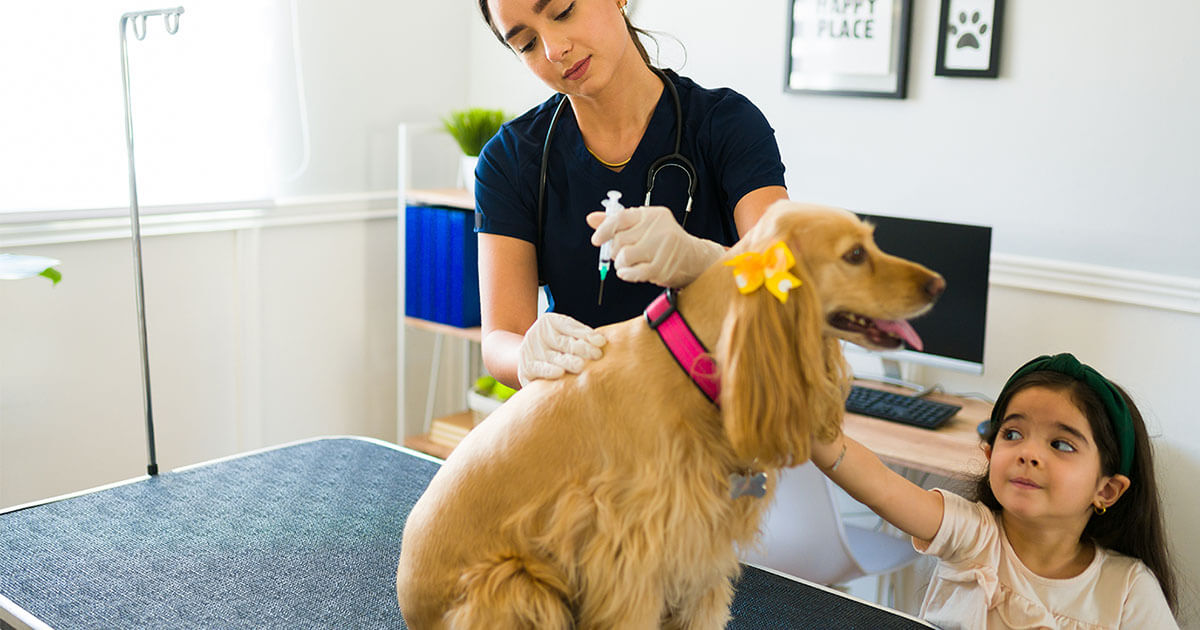
Fiction: Vets Prioritize Profit Over Pet Health
Continuing from the previous subtopic’s emphasis on pet health, it is crucial to dispel the misconception that veterinarians prioritize profit over the well-being of animals under their care.
While veterinary clinics are businesses that need to generate revenue to sustain operations, the primary focus of veterinarians is always the health and welfare of the animals they treat. Veterinarians undergo years of rigorous training to ensure they can provide the best possible care for pets.
They are bound by professional ethics and a genuine love for animals, driving them to prioritize the well-being of their patients above all else. Any financial aspects involved are necessary to maintain high standards of care and ensure that veterinary services remain available and accessible for all pet owners.
Untruth: Holistic Treatments Are Ineffective
Holistic treatments have been unjustly dismissed as ineffective in veterinary medicine. Contrary to this belief, many holistic approaches have shown positive results in treating various health conditions in animals. Techniques such as acupuncture, herbal medicine, and chiropractic care can complement traditional veterinary treatments, leading to improved overall health and well-being for pets.
Some pet owners prefer holistic therapies due to their focus on natural remedies and the potential for fewer side effects compared to conventional medications. While holistic treatments may not be a one-size-fits-all solution, they can be a valuable addition to a comprehensive veterinary care plan. It is essential for pet owners to work closely with their veterinarians to explore all available treatment options and make informed decisions based on what is best for their furry companions.
Conclusion
In conclusion, it is important to debunk common myths about veterinary hospitals in order to ensure the best care for pets.
By understanding the true motivations of veterinarians, the importance of vaccines, and the effectiveness of holistic treatments, pet owners can make informed decisions about their pet’s health.
Veterinary hospitals play a crucial role in ensuring the well-being of animals, and it is essential to trust in their expertise and dedication to providing quality care.